
Call Now For A Free Consultation:
Call Now For A Free Consultation:
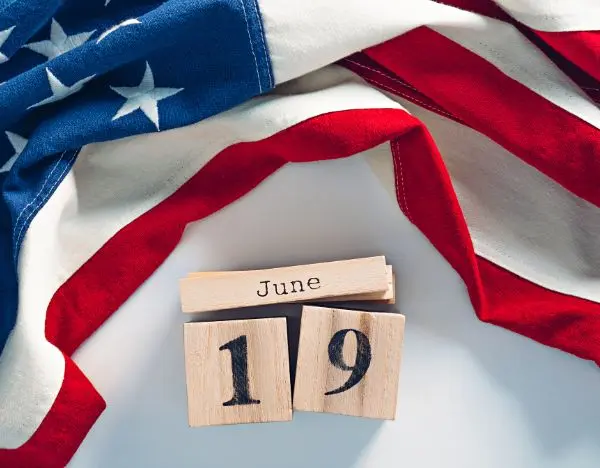
Every June 19, families gather in parks across Los Angeles to mark Juneteenth, the day freedom finally reached the last enslaved people in Texas. There is music, food, and history. There is also a quieter truth running underneath the celebration. Freedom on paper and freedom in real life have never arrived at the same time.
That gap is not just a story about 1865. It shows up today in a traffic stop that turns violent, in a jail cell where someone does not come home, in a complaint that goes nowhere. Juneteenth is a civil rights anniversary, and civil rights are exactly what is at stake when police cross the line.
This post looks at what Juneteenth means for civil rights and police accountability in California right now. It covers the protections you have, the laws that have shifted in recent years, and what it takes to hold a police agency responsible when those protections are ignored.
Juneteenth marks June 19, 1865, the day Union troops reached Galveston, Texas and announced that enslaved people there were free. That was more than two years after the Emancipation Proclamation. Freedom had been the law for years. It just had not been enforced.
That delay is the heart of why the day still matters. A right that is not enforced is not really a right yet. The Constitution can promise equal protection and fair treatment, but those promises mean nothing if no one makes them real.
Juneteenth is now a federal holiday. For a civil rights practice, it is also a reminder of the work that is still unfinished. The promise of equal treatment under the law is still tested every day on the street and in custody.
The link is direct. Juneteenth is about the distance between a right and its enforcement. Police accountability is about closing that same distance today.
When an officer uses excessive force, makes a false arrest, or looks away while someone is hurt in a cell, that is a rights violation. The Constitution protects people from this kind of conduct. The hard part has always been making the protection count when it is broken.
For Black Californians in particular, that gap is not abstract. It shows up in who gets stopped, who gets searched, and who gets hurt. Holding a department responsible is one of the few ways the law gets enforced from the ground up.
You have real protections, and they come from two directions. Federal civil rights law lets you sue a government official who violates your constitutional rights while acting in their official role. California's own civil rights law adds a second path with its own remedies.
Here are the core protections that come up most in police misconduct cases.
These rights apply whether you have a record, whether you are a citizen, and whether you were polite or scared in the moment. None of that erases the protection.
California has changed several of its policing rules over the past few years. The details matter, and our civil rights attorneys track them closely, so treat the summary below as a starting point rather than the last word.
The use-of-deadly-force standard has tightened, pushing officers to use force only when necessary. Chokeholds and carotid restraints have been banned. The state created a process to strip badges from officers found responsible for serious misconduct, so a fired officer cannot simply move to another department. Public access to certain officer misconduct records has also expanded.
There is one change that often matters most to families right after a tragedy. California now requires agencies to release body camera footage of serious incidents within a set window in many cases. That footage can be the difference between answers and silence. It is also why preserving and requesting it early is so important.
Holding a department responsible takes more than being right about what happened. It takes evidence and meeting strict deadlines. Several factors shape how one of these cases goes.
No honest attorney can promise a result. What our attorneys can do is move quickly to secure footage and witnesses, build the strongest possible version of your case, and stand against the defenses police agencies raise.
Yes. Being arrested or even charged does not erase your civil rights. If officers used excessive force or arrested you without probable cause, you may still have a claim. A charge that was later dropped can actually support your case. Save every document from the criminal side and talk to our attorneys before any deadline passes.
Act fast, because the first deadline comes quickly. To sue a city, county, or other public agency, you usually have only six months to file a formal notice of claim. The deadline to file the federal civil rights lawsuit is generally longer, but the short notice window can end your case before it starts. Reach out early so nothing slips.
Body camera footage often shows what a police report leaves out. It can confirm how an encounter started, what was said, and how much force was used. California requires the release of this footage in many serious incidents, but agencies do not always move quickly. Asking for it early, in writing, helps protect that record before it can be lost.
Juneteenth is about the freedom that was promised and then denied. If a police officer violated your rights, do not let the deadline run out in silence. Call Justin Palmer Law Group today so our civil rights attorneys can review what happened and act before the evidence disappears.
Call us 24/7 at (310) 658-8935 to speak with a California police brutality lawyer, or reach out online to start your free case review.
Attorney Advertising | Prior results do not guarantee a similar outcome. The information on this website is for general information purposes only. Nothing on this site should be taken as legal advice for any individual case or situation. This information is not intended to create, and receipt or viewing does not constitute, an attorney-client relationship. This site is protected by reCAPTCHA and the Google Privacy Policy and Terms of Service apply.