
Call Now For A Free Consultation:
Call Now For A Free Consultation:
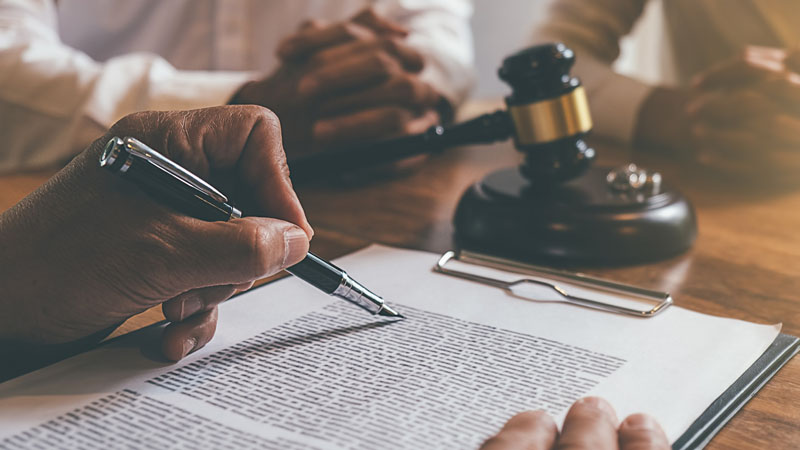
A California civil rights lawyer represents people whose constitutional and civil rights were violated by police, government agencies, employers, landlords, or other powerful institutions. At Justin Palmer Law Group, our California civil rights attorneys handle police misconduct, excessive force, wrongful arrest, in custody injuries, discrimination, and related claims in house, from the first investigation through trial.
For years, Justin Palmer Law Group has fought for Californians who were harmed by people who abused public power. Justin A. Palmer founded the firm on a straightforward idea, that ordinary people deserve a serious advocate when the government, the police, or a large institution tramples their rights. Our civil rights lawyers keep these cases in house and see them through, rather than referring them out to another office. If you are searching for a civil rights attorney near you in Los Angeles or anywhere in California, this page explains your rights, the cases the firm handles, and how to take the first step.
Call us 24/7 at (310) 658-8935 to speak with a California police brutality lawyer, or reach out online to start your free case review.
A California civil rights lawyer holds the government and other powerful actors accountable when they violate your legal rights. That means investigating what happened, preserving evidence, filing the right claims on time, and pursuing compensation through negotiation or a lawsuit when an agency or institution refuses to make things right.
Civil rights law protects the freedoms that are supposed to apply to everyone. The right to be free from excessive police force. The right to be free from arrest without cause. The right to equal treatment regardless of race, sex, disability, or national origin. The right to speak, protest, and worship without government retaliation. When one of those rights is violated, a civil rights lawyer is the person who turns a wrong into a case.
The work is different from an ordinary injury case, because the other side is usually a city, a county, a police department, a school district, or a large employer. These defendants have lawyers, insurers, and public records departments built to protect them. Our California civil rights attorneys know how those systems work, and how to move quickly before evidence disappears. For a plain overview of the role, our explainer on what a civil rights lawyer does covers the basics.
Our California civil rights attorneys also help people who are not sure whether they even have a case. Many clients arrive knowing only that something happened that felt deeply wrong. Part of the job is listening to that story, comparing it to what the law actually protects, and giving an honest answer about whether there is a claim worth pursuing. That first conversation is free, and it carries no obligation.
Justin Palmer Law Group handles the full range of civil rights matters, with a primary focus on police misconduct and excessive force, along with wrongful arrest, in custody injuries and deaths, jail and prison abuse, First Amendment retaliation, and discrimination in employment, housing, and education. Every one of these cases is handled in house.
The firm takes on civil rights claims including:
Because the firm handles this entire range, a single team can look at everything that happened to you, not just one slice of it. Our police misconduct lawyers frequently find that one incident involves several overlapping violations, and pursuing them together makes for a stronger case.
Police misconduct is any use of police power that goes beyond what the law allows. It becomes a civil rights violation when an officer uses unreasonable force, arrests or detains you without cause, searches you or your property without justification, or denies you the basic protections you are owed.
Not every rough arrest is a civil rights violation, and not every civil rights violation looks dramatic. The legal question is usually whether the officer acted reasonably under the circumstances. Setting a police dog on an unarmed person who has surrendered, shooting someone who posed no immediate threat, or holding a person in jail long after a release order was signed can each cross the line from lawful policing into a violation of your rights.
Our California civil rights attorneys look closely at the moment force was used, or the moment freedom was taken away, and compare what the officer did to what a reasonable officer would have done. That comparison, backed by body camera video, dispatch records, and medical evidence, is the heart of a police misconduct case. To understand how courts weigh these situations, our explainer on what counts as excessive force by police breaks the standard down in plain terms.
Police misconduct takes many forms. It includes excessive force during an arrest, wrongful police shootings, police dog bites, and the use of tasers or batons when they are not justified. It also includes racial profiling, stops and searches based on who a person is rather than what they did, and searches of a person, a car, or a home without a warrant or a valid legal reason. Each of these can support a civil rights claim, and a single encounter often involves more than one.
Yes. California law gives injured people more than one way to hold police accountable. Most strong cases combine a federal civil rights claim with a claim under California's own civil rights law, and can name the individual officers as well as the city, county, or agency that employed them.
A federal civil rights claim lets you sue a state or local officer for violating your constitutional protections, such as the protection against unreasonable searches and excessive force. A parallel claim under California's civil rights law can add a separate path to recovery in state court. Pursuing both at once gives a jury more than one route to hold the wrongdoer responsible.
The individual officer is usually the most direct target, but the government body behind that officer can also be on the hook. A city or county can be held responsible when the violation grew out of its own policy, a longstanding custom, or a failure to train and supervise its officers. Proving that kind of claim takes work, and our civil rights lawyers investigate the department itself, not just the single encounter. For people looking specifically for lawyers that sue police departments, or who need a federal civil rights attorney, the firm handles both.
Government defendants fight these cases hard, and the defense you will hear about most is qualified immunity, which shields an officer from personal liability unless the right they violated was already clearly established. Agencies also argue that the force was reasonable, that there was probable cause, or that a filing deadline was missed.
Qualified immunity can end weaker cases early, because it asks whether any reasonable officer would have known the conduct was unlawful under existing law. Overcoming it takes careful pleading, strong facts, and a clear record, which is one more reason that preserving video and documents quickly matters so much. Our California civil rights attorneys prepare for this defense from the first day of a case.
Beyond immunity, government lawyers often argue that the officer acted reasonably given what they knew at the time, that an arrest was supported by probable cause, or that a person consented to a search. On the procedural side, they look for missed deadlines and technical defects, because a case filed too late, in the wrong court, or against the wrong defendant can be dismissed before a judge ever weighs the facts. Anticipating those arguments and answering them with evidence is a core part of what our civil rights lawyers do.
The difference is who caused the harm and what law applies. A regular injury case usually involves a private person or company. A civil rights case involves the government or an institution abusing its power, which brings in constitutional protections, special immunity defenses, and much shorter deadlines.
That distinction changes almost everything about how a case is handled. When the person who hurt you was a police officer using the authority of the state, you are not just an injured person, you are someone whose rights were violated, and the law treats that seriously. It also means the other side has government lawyers, public records rules, and legal protections that an ordinary defendant does not have.
Because of those differences, civil rights cases reward early and aggressive preparation. Our civil rights lawyers move quickly to lock down evidence, file the right claims in the right courts, and meet deadlines that are far shorter than most people expect. Treating a civil rights case like an ordinary injury claim is one of the most common and costly mistakes an injured person can make.
Civil rights protection reaches far beyond the police. Justin Palmer Law Group also represents people facing discrimination and retaliation at work, discrimination in housing, disability discrimination, and civil rights violations in schools. These cases protect the same core promise, that you are entitled to equal treatment under the law.
Employment cases can involve discrimination based on race, sex, gender, disability, age, religion, or national origin, along with retaliation against workers who report wrongdoing or assert their rights. Housing cases arise when a landlord, management company, or lender treats someone unequally because of who they are. Disability cases can involve the denial of reasonable accommodations or access. School cases can involve the mistreatment of students, including minors, whose rights were ignored.
Many people do not realize these situations are civil rights matters at all. Our California civil rights attorneys treat them with the same seriousness as a police case, because the underlying principle is identical. When an institution with power over your job, your home, your education, or your freedom treats you unlawfully, the law gives you a way to respond.
The person whose rights were violated can bring a civil rights claim, and so can others in certain situations. A parent or guardian can file on behalf of an injured child, and the surviving family of someone killed by police or in custody can bring a wrongful death claim. Immigration status does not take away your civil rights.
Civil rights protections apply to people, not only to citizens. Someone who is undocumented has the same right to be free from excessive force and unlawful detention as anyone else, and our California civil rights attorneys represent members of the immigrant community with that principle firmly in mind. Fear of immigration consequences should not stop a person from asserting rights the law clearly gives them.
Cases involving minors carry their own protections and, in some situations, different deadlines, which is one more reason to speak with a civil rights lawyer early. Whether the person harmed is a child, an adult, or a loved one who did not survive, our civil rights lawyers can explain who has the right to bring a claim and how the process works.
You may have a civil rights claim if a government official or institution treated you in a way that felt clearly unjust, illegal, or targeted, and you were harmed as a result. Common warning signs include unexplained force, arrests without a clear reason, denial of medical care in custody, and different treatment because of who you are.
Some situations that often point to a civil rights violation include:
If any of these describes your experience, it is worth talking with a civil rights lawyer, even if you are not sure a law was broken. Our civil rights attorneys offer a free consultation precisely so people can find out where they stand before deciding what to do.
A California civil rights case can seek compensation for medical bills, lost income, pain and suffering, emotional distress, and other harm caused by the violation. In cases against individual officers whose conduct was malicious or reckless, punitive damages may also be available. Every case is different, and no honest lawyer can promise a specific result or amount.
The categories of loss a civil rights claim may cover include the cost of medical care, both past and future, and the wages and earning capacity lost when an injury keeps someone from working. They also include the physical pain and the emotional toll of the experience, which in serious civil rights cases can be profound and lasting. When the federal side of a case succeeds, the law can also require the losing side to pay the injured person's attorney's fees, which is one reason our civil rights lawyers can take strong cases without charging clients up front.
What a case is actually worth depends on the facts, the injuries, and the conduct involved, and it varies enormously from one matter to the next. For context on how these cases resolve, our discussion of the average settlement for police misconduct in California explains why numbers vary so widely and why no figure should be treated as a promise.
Most civil rights cases are handled on a contingency basis, which means clients do not pay attorney's fees out of pocket, and the firm is paid from the recovery only if the case succeeds. That structure exists so that a person harmed by the government can afford serious representation, no matter their financial situation. Our civil rights attorneys explain exactly how fees and costs work during the free consultation, before anyone commits to anything.
Civil rights violations can cause serious physical injuries, lasting psychological harm, and financial devastation. Police misconduct in particular can leave people with broken bones, gunshot wounds, dog bite injuries, head trauma, and permanent disability, alongside deep emotional wounds.
The physical injuries our California civil rights attorneys see include fractures, nerve damage, scarring, vision and hearing loss, traumatic brain injuries, and wounds that require surgery and long term care. In the most tragic cases, misconduct ends in death, and the surviving family is left to carry both the grief and the financial fallout.
The emotional injuries are just as real. Many people who survive a violent arrest, a wrongful detention, or abuse in custody live afterward with anxiety, depression, sleeplessness, and post traumatic stress. A civil rights case accounts for those harms too, not only the medical bills. Documenting the full picture, physical and emotional, is part of how our civil rights lawyers build a case that reflects everything a person actually lost.
No two people carry an injury the same way. A scar that one person barely notices can be a daily reminder of a terrifying night for someone else, and a back injury can quietly end a career built on physical work. Our California civil rights attorneys take the time to understand how a specific injury has reshaped a specific life, because that is what a fair case has to account for.
Get medical care, write down everything you remember while it is fresh, photograph your injuries, save your clothing, collect witness contact information, and ask a lawyer to send a written notice asking the agency to preserve its footage. Then speak with a civil rights attorney before any deadline runs.
The steps you take in the first days often decide what you can prove later. Photograph every visible injury in good light, and again over the following days as bruising develops. Keep any torn or stained clothing in a paper bag. Write a dated account of what happened, including the names, badge numbers, and patrol car numbers you can recall, and gather contact information for anyone who witnessed it.
Just as important, do not give a recorded statement to internal affairs or sign anything from an agency or its insurer before speaking with counsel. Body camera and agency video can be erased under routine retention schedules, sometimes within weeks, so a written preservation request sent early can be the difference between having that evidence and losing it. Our civil rights lawyers handle these preservation steps as a routine first move.
People do not lose their civil rights when they are booked into a jail or prison. In custody cases involve excessive force by guards, the denial of medical care, dangerous conditions, and deaths behind bars, and they are among the most serious matters our California civil rights attorneys handle.
Once a person is in custody, the government takes on a duty to keep them reasonably safe and to provide for their basic medical needs. When jail or prison staff ignore a serious medical emergency, use force on someone who is already restrained, or allow known dangers to go unaddressed, the resulting harm can be a civil rights violation. Families who lose a loved one in custody may also have a wrongful death claim.
These cases are difficult, because the events happen out of public view and the records are controlled by the very agency at fault. Our jail abuse lawyers know how to request the right records, identify the right witnesses, and reconstruct what happened inside a facility that would rather keep it hidden.
In California, a claim against a city, county, or other public agency generally must begin with a written government claim filed within six months of the incident. Federal civil rights claims usually carry a longer window of about two years. The two deadlines run at the same time, and missing the shorter one can bar part of your case.
The six month government claim deadline is the one that catches people off guard. If your case is against a California city, a county sheriff's department, or another public entity, the state side of your claim can be lost if that written claim is not filed in time. The clock starts on the date of the incident, not on the date you recovered or first spoke with a lawyer.
The federal civil rights deadline is generally longer, but treating it as a reason to wait is a mistake. Evidence disappears, witnesses move, and video footage gets overwritten long before either deadline arrives. Talking with a California civil rights lawyer within weeks of the incident, not months, protects both your evidence and your right to file.
A California civil rights case moves through clear stages, starting with investigation and evidence preservation, then the filing of the required claims, followed by negotiation, and finally litigation and trial when a fair resolution is not offered. Justin Palmer Law Group guides clients through each step and keeps the case in house from start to finish.
The process begins with investigation. Our civil rights lawyers send preservation letters, request body camera and agency records, gather medical documentation, and track down witnesses while their memories are fresh. Moving fast at this stage often determines what evidence still exists later.
Next comes the filing of claims. The team files the required government claim within the short state deadline and prepares the federal civil rights case, naming the individual officials and the agency where the facts support it. From there, our California civil rights attorneys press the case through negotiation. When the other side refuses to be fair, the firm is prepared to take the matter through litigation and to trial. Throughout, clients are kept informed and involved, because it is their case and their story.
Justin Palmer Law Group serves clients throughout California, with a strong presence across Southern California, including Los Angeles, Long Beach, Inglewood, and the surrounding counties. Distance is rarely a barrier, because much of a civil rights case is built through records, investigation, and direct communication with the client.
Our Los Angeles civil rights attorneys regularly handle matters across the region and beyond, including:
Wherever you are in the state, our civil rights lawyers can talk through what happened and explain how a case would work. A free consultation is available to anyone trying to understand their rights.
Justin Palmer Law Group brings focused civil rights experience, a willingness to take on cities and police departments, and a practice that keeps every case in house rather than referring it out. Clients work directly with a team that treats their case as the priority it is.
Justin A. Palmer has built a California civil rights and personal injury practice devoted to holding powerful institutions accountable, and has been recognized by Super Lawyers in recent years, a peer based honor. The firm serves clients across Los Angeles, Long Beach, Inglewood, and the wider Southern California region, and our California civil rights attorneys bring the same determination to a discrimination claim, a wrongful arrest, or a police shooting case.
What sets the firm apart is not just experience, but approach. Our civil rights lawyers handle these matters directly, invest early in investigation and evidence, and prepare every case as if it will go to trial. That preparation is what gives clients real leverage, whether a case ultimately settles or is decided by a jury.
If your rights were violated by the police, the government, an employer, or a landlord, talk with a lawyer before evidence disappears and before the six month government claim deadline runs. A free consultation costs nothing and can protect your case.
Call us 24/7 at (310) 658-8935 to speak with a California police brutality lawyer, or reach out online to start your free case review.
Attorney Advertising | Prior results do not guarantee a similar outcome. The information on this website is for general information purposes only. Nothing on this site should be taken as legal advice for any individual case or situation. This information is not intended to create, and receipt or viewing does not constitute, an attorney-client relationship. This site is protected by reCAPTCHA and the Google Privacy Policy and Terms of Service apply.