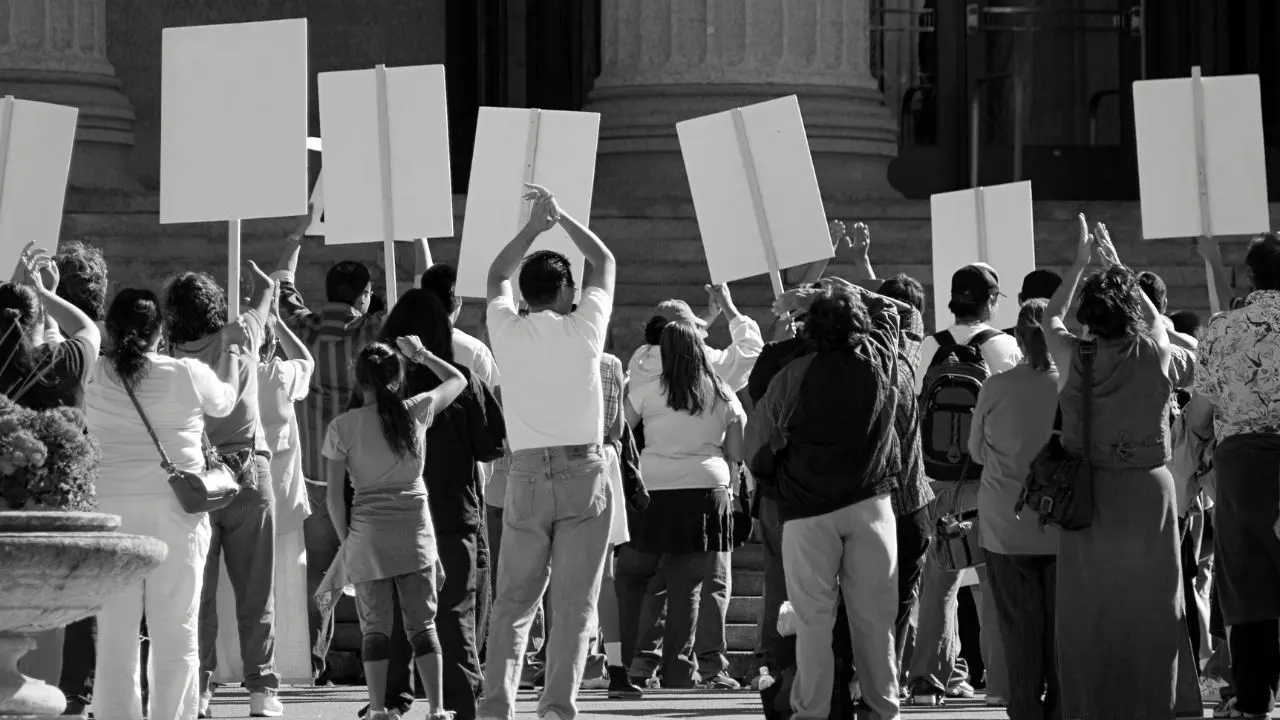
Exercising your First Amendment right to peaceful protest is a fundamental part of American democracy. However, protests in Inglewood and throughout Los Angeles County can sometimes become tense situations where understanding your rights and taking safety precautions becomes essential. Whether you're planning to attend a demonstration in Inglewood or want to know your legal options if you've been injured while protesting, this guide provides crucial information to protect yourself and your rights.
Stand Up for Your Rights — Without Paying Upfront
You don’t have to fight the system alone. You pay nothing unless we win your case.
Call us 24/7 at (310) 658-8935 to speak with a California police brutality lawyer, or reach out online to start your free case review.
Do You Have the Right to Protest in Inglewood, California?
Yes, you have a constitutional right to peacefully protest in Inglewood, CA. The First Amendment protects your right to free speech and peaceful assembly, which includes participating in demonstrations, marches, and rallies. This protection applies whether you're protesting on public streets in Inglewood, at city facilities, or in public parks throughout Los Angeles County.
However, this right is not unlimited. California law and Inglewood municipal codes may impose reasonable time, place, and manner restrictions on protests. These restrictions must be content-neutral, meaning they cannot target specific viewpoints or messages. Understanding both your rights and the limitations helps you stay safe during a protest while exercising your constitutional freedoms.
Law enforcement in Inglewood must respect your right to peaceful protest, but they also have authority to enforce laws regarding public safety, traffic, and preventing violence or property damage.
What Are Your Legal Rights During a Protest in Inglewood?
Understanding your rights before attending a protest in Inglewood helps you recognize when those rights are being violated:
- Right to Peaceful Assembly: You can gather with others for peaceful protest in public spaces throughout Inglewood without prior government approval in most circumstances.
- Right to Free Speech: You can express your views, chant, carry signs, and communicate your message during protests in Inglewood, even if your message is controversial or unpopular.
- Right to Photograph and Record: You have the right to photograph and record police officers performing their duties in public spaces in Inglewood, as long as you don't interfere with their work.
- Right to Remain Silent: If Inglewood police question you during or after a protest, you have the right not to answer questions beyond providing your name in certain circumstances.
- Right to an Attorney: If arrested at a protest in Inglewood, you have the right to request legal representation before answering any questions from law enforcement.
- Protection from Unlawful Arrest: Inglewood officers can only arrest you if they have probable cause that you've committed a crime. Simply participating in a peaceful protest does not provide grounds for arrest.
- Right to Medical Attention: If injured during a protest in Inglewood, you have the right to receive medical care, even if you're under arrest.
How Can You Stay Safe During a Protest in Inglewood?
How to stay safe during a protest requires both understanding your environment and taking practical precautions. Before attending any demonstration in Inglewood, prepare yourself with these safety measures:
- Research the Event: Learn about the planned route, organizers, expected crowd size, and whether permits have been obtained for protests in Inglewood. Understanding the demonstration's structure helps you anticipate potential issues.
- Dress Appropriately: Wear comfortable, weather-appropriate clothing and sturdy shoes suitable for walking long distances on Inglewood streets. Avoid wearing jewelry or accessories that could be grabbed, and consider protective eyewear.
- Bring Essential Supplies: Carry water, snacks, any necessary medications, and a portable phone charger. Consider bringing a small first aid kit with basic supplies like bandages and antiseptic wipes.
- Protect Your Identity: If you're concerned about surveillance or retaliation, consider measures to protect your identity while still complying with California law. Be aware that covering your face may draw additional attention from Inglewood law enforcement.
- Have an Exit Strategy: Before joining a protest in Inglewood, identify multiple routes to leave the area safely. Know the location of nearby public transportation stops and parking areas.
- Stay Aware of Your Surroundings: Pay attention to crowd dynamics, police movements, and potential hazards during protests in Inglewood. Position yourself where you can see what's happening and quickly move if necessary.
- Document Your Participation: Consider having a trusted friend or family member outside the protest area who knows your location and expected return time from Inglewood demonstrations.
What Should You Do If Police Become Aggressive During an Inglewood Protest?
If law enforcement tactics escalate during a protest in Inglewood, your response can significantly impact your safety:
- Stay Calm and Don't Resist: Even if you believe Inglewood police are acting improperly, physical resistance can lead to additional charges and injury. Comply with lawful orders while mentally noting what's happening.
- Listen for Dispersal Orders: If Inglewood officers issue dispersal orders, pay close attention to instructions and designated exit routes. Failure to disperse after a lawful order can result in arrest.
- Move Away from Confrontations: If you see violence or property damage occurring during Inglewood protests, distance yourself immediately. Your presence near illegal activity can lead to arrest even if you're not participating.
- Protect Your Head and Body: If police use force, protect your head with your arms and try to move to safety. Don't fight back against Inglewood officers, as this can escalate violence and lead to serious charges.
- Document Police Conduct: If safe to do so, record interactions between protesters and Inglewood law enforcement. This documentation can be crucial evidence if rights violations occur.
- Identify Yourself Only as Required: California law generally requires you to provide your name if lawfully detained. Beyond that, you can exercise your right to remain silent during interactions with Inglewood police.
What Are Common Injuries That Occur During Protests?
Understanding potential injuries helps you recognize when to seek medical attention after Inglewood demonstrations:
- Chemical Irritant Exposure: Tear gas, pepper spray, or other chemical agents used by Inglewood police can cause eye irritation, respiratory distress, and skin burns. These effects can range from temporary discomfort to serious injury requiring medical treatment.
- Impact Injuries: Rubber bullets, bean bags, or batons used by law enforcement in Inglewood can cause bruising, broken bones, head trauma, and internal injuries. These projectiles can be particularly dangerous when aimed at the head, neck, or chest.
- Crowd-Related Injuries: Trampling, crushing, or falls during Inglewood protests can result in broken bones, sprains, and head injuries. Panic situations or sudden crowd movements create significant injury risk.
- Heat-Related Illness: Long protests in Inglewood's climate can lead to dehydration, heat exhaustion, or heat stroke, particularly during summer months in Southern California.
- Psychological Trauma: Witnessing or experiencing violence during protests in Inglewood can cause emotional distress, anxiety, and post-traumatic stress requiring professional support.
What Should You Do Immediately If Injured at a Protest in Inglewood?
If injured at protest events in Inglewood, taking proper steps immediately afterward protects both your health and legal rights:
- Seek Medical Attention: Get medical care as soon as possible, even if injuries seem minor. Some serious injuries aren't immediately apparent, and prompt treatment creates medical documentation crucial for any legal claims.
- Document Your Injuries: Photograph all visible injuries from multiple angles as soon as possible after the Inglewood protest. Continue documenting as injuries develop, bruises appear, or conditions change over the following days.
- Preserve Evidence: Keep all clothing worn during the protest, especially if damaged or stained with blood. Don't wash items that may contain evidence of chemical agents or other substances used by Inglewood law enforcement.
- Write Down Details: As soon as possible, create a detailed written account of what happened during the Inglewood protest, including times, locations, officer descriptions or badge numbers, witness names, and the sequence of events leading to your injury.
- Identify Witnesses: Collect contact information from anyone who witnessed your injury at the Inglewood demonstration. Witness testimony can be crucial for establishing what occurred.
- Record Officer Information: If possible, note badge numbers, names, or other identifying information for Inglewood officers involved. Look for witnesses who may have recorded the incident on video.
- Report the Incident: File a complaint with the Inglewood Police Department and document your report. This creates an official record of the incident, even if the department's response is unsatisfactory.
Can You Sue If Police Injured You During a Protest in Inglewood?
Yes, you may have legal recourse if injured by excessive force during an Inglewood protest. California law and federal civil rights statutes provide remedies when law enforcement violates constitutional rights:
- Section 1983 Civil Rights Claims: This federal law allows you to sue Inglewood police officers and the city for constitutional violations, including excessive force used during protests. You can seek compensation for medical expenses, pain and suffering, and other damages.
- California State Law Claims: The Bane Act and other California statutes provide additional remedies for civil rights violations by Inglewood law enforcement. These state law claims may offer advantages over federal claims in certain circumstances.
- Assault and Battery Claims: If Inglewood officers used force without legal justification during a protest, you may have claims for assault and battery under California tort law.
- Municipal Liability: In some cases, you can hold the City of Inglewood liable for injuries caused by police policies, practices, or customs that violate constitutional rights, including how officers are trained to handle protests.
A civil rights attorney can evaluate whether you have viable claims based on your injuries and the circumstances of the Inglewood protest.
What Evidence Do You Need to Prove Excessive Force at an Inglewood Protest?
Building a strong case requires comprehensive evidence of what occurred during the protest:
- Medical Records: Complete documentation of all injuries, treatments, and ongoing medical needs resulting from the Inglewood protest. This includes emergency room visits, follow-up appointments, and mental health treatment.
- Video and Photographic Evidence: Recordings from multiple angles showing what happened during the Inglewood demonstration. This can include your own recordings, witness videos, news footage, or surveillance camera footage.
- Witness Statements: Testimony from others who saw your injury occur at the protest in Inglewood. Independent witnesses who don't know you often provide particularly credible evidence.
- Expert Analysis: In complex cases, use-of-force specialists, medical professionals, or other authorities can provide opinions about whether Inglewood officers' actions violated professional standards or caused your injuries.
- Police Records: Incident reports, arrest records, and other documentation from the Inglewood Police Department, often obtained through public records requests or legal discovery processes.
- Protest Context: Information about the overall situation during the Inglewood demonstration, including whether protesters were peaceful, whether dispersal orders were given, and how police responded generally.
What Is the Timeline for Filing a Claim Against Inglewood Police?
Time limits for legal action are strict and vary depending on the type of claim:
- Government Tort Claims: You must file a claim with the City of Inglewood within six months of your injury under California Government Code Section 911.2. Missing this deadline typically bars you from pursuing a lawsuit.
- Federal Civil Rights Claims: The statute of limitations for Section 1983 claims in California is generally two years, though you should consult with a civil rights attorney as soon as possible after being injured at an Inglewood protest.
- Preserving Evidence: Surveillance footage, police records, and witness memories deteriorate over time. Starting the legal process quickly helps preserve crucial evidence from Inglewood demonstrations.
- Medical Treatment Continuity: Ongoing medical documentation strengthens your claim. Gaps in treatment can be used to argue your injuries weren't serious or weren't caused by the protest incident.
Acting quickly after being injured during an Inglewood protest protects your legal rights and improves your chances of a successful outcome.
How Can Justin Palmer Law Group Help If You Were Injured at a Protest?
If you were injured during a protest in Inglewood, our firm provides comprehensive legal representation:
- Case Evaluation: Our police misconduct lawyers analyze the circumstances of your injury during the Inglewood protest, review available evidence, and advise you on the strength of potential claims against law enforcement or other parties.
- Evidence Collection: Our team gathers video footage, witness statements, medical records, and police reports documenting what occurred during the demonstration in Inglewood and the extent of your injuries.
- Government Claims Filing: Our police brutality lawyers ensure all required notices and claims are filed with the City of Inglewood within strict deadlines, preserving your right to pursue legal action.
- Expert Consultation: We work with medical professionals, use-of-force specialists, and other authorities who can provide opinions supporting your claims about the Inglewood protest incident.
- Negotiation with Authorities: We communicate with the City of Inglewood and their insurers to seek fair compensation for your injuries without requiring a lawsuit when possible.
- Litigation Representation: If a settlement isn't achievable, we file lawsuits in California or federal court and represent you through trial to hold Inglewood law enforcement accountable for constitutional violations.
- Protection of Rights: Throughout the process, we ensure your rights are protected and that you're not pressured into accepting inadequate settlements for injuries sustained during Inglewood protests.
Are There Other Legal Issues That Can Arise From Protesting in Inglewood?
Beyond injuries, protesters in Inglewood may face other legal challenges:
- Arrest and Criminal Charges: Inglewood police may arrest protesters for alleged violations, including failure to disperse, resisting arrest, obstruction, or vandalism. These charges require immediate legal representation.
- Property Damage Claims: If accused of damaging property during Inglewood protests, you may face both criminal charges and civil liability. Documentation of your actions and location becomes crucial.
- Employer Retaliation: California law provides some protections for political activity, but employment issues can arise from protest participation. Understanding your rights as an employee helps prevent or address retaliation.
- Immigration Consequences: Non-citizens arrested during the Inglewood protests may face immigration consequences. Consulting with both criminal defense and immigration counsel is essential.
Justin Palmer Law Group handles various legal issues arising from protest participation in Inglewood and throughout Los Angeles County.
What Should You Know Before Attending Future Protests in Inglewood?
Understanding how to stay safe during a protest includes learning from past demonstrations:
- Know Local Laws: Inglewood municipal codes and California statutes impose specific requirements on protests. Familiarizing yourself with these rules helps you avoid unintentional violations.
- Understand Police Tactics: Inglewood law enforcement may use formations, kettling, or chemical agents to control crowds. Recognizing these tactics helps you respond appropriately and stay safer.
- Prepare Legal Support: Have contact information for legal support organizations and attorneys who handle protest-related cases in Los Angeles County before attending demonstrations in Inglewood.
- Consider Training: Some organizations offer protest safety training covering de-escalation techniques, legal rights, and first aid specific to demonstration environments.
- Evaluate Personal Risk: Consider your personal circumstances, including employment, immigration status, health conditions, and family responsibilities, when deciding whether to participate in Inglewood protests.
Informed participation protects both your safety and your legal rights during demonstrations.
Protect Your Rights After Being Injured at an Inglewood Protest
If you've been injured during a protest in Inglewood, don't face the legal system alone. The attorneys at Justin Palmer Law Group have extensive experience representing individuals whose constitutional rights were violated by law enforcement in Los Angeles County. We understand both the legal complexities of civil rights claims and the importance of holding authorities accountable when they use excessive force against peaceful protesters.
Time is critical for preserving evidence and meeting legal deadlines after being injured at a protest in Inglewood. Contact Justin Palmer Law Group today for a confidential consultation to discuss your case, understand your legal options, and learn how we can help you seek justice and compensation for injuries sustained while exercising your First Amendment rights.
Stand Up for Your Rights — Without Paying Upfront
You don’t have to fight the system alone. You pay nothing unless we win your case.
Call us 24/7 at (310) 658-8935 to speak with a California police brutality lawyer, or reach out online to start your free case review.