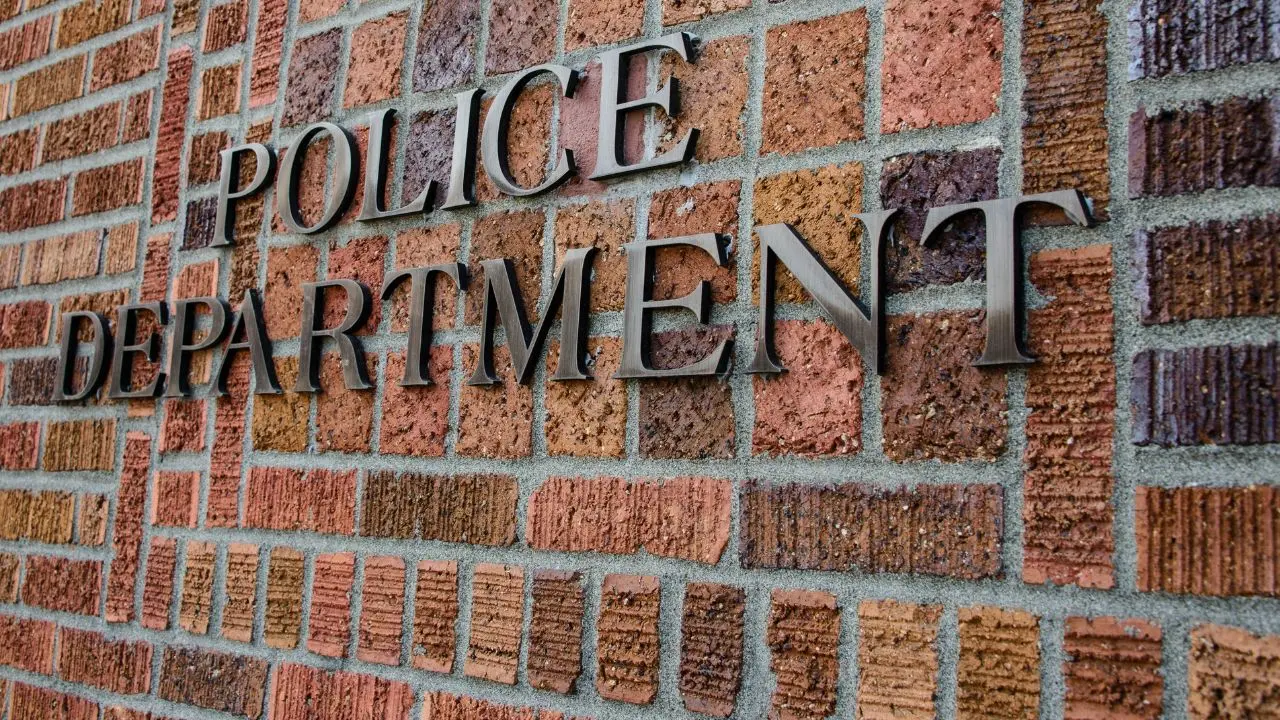
If you're facing questioning by law enforcement in Inglewood, California, you might assume officers must tell you the truth. However, the reality of police interrogation tactics may surprise you. Understanding what deception law enforcement can legally use during arrests and questioning is crucial for protecting your rights in Inglewood and throughout California.
Stand Up for Your Rights — Without Paying Upfront
You don’t have to fight the system alone. You pay nothing unless we win your case.
Call us 24/7 at (310) 658-8935 to speak with a California police brutality lawyer, or reach out online to start your free case review.
Are Police Officers in Inglewood Allowed to Lie During Interrogations?
Can police lie to you during an arrest or interrogation? Yes, they can. Law enforcement officers in Inglewood, CA, are legally permitted to use deceptive tactics during criminal investigations and interrogations. Courts have consistently ruled that this practice, while controversial, is a permissible investigative technique in most circumstances.
The U.S. Supreme Court established this principle through various rulings, determining that certain forms of deception do not automatically violate a suspect's constitutional rights. This applies to Inglewood Police Department officers, Los Angeles County Sheriff's deputies, and all other law enforcement agencies operating in the Inglewood area. However, this doesn't mean officers have unlimited freedom to deceive individuals during the arrest process or questioning.
What Types of Lies Can Inglewood Police Tell You During Questioning?
Understanding the tactics officers in Inglewood might employ helps you recognize when deception is occurring:
- Fabricated Evidence Claims: Inglewood officers may falsely claim they have physical evidence, such as fingerprints, DNA, surveillance footage from local businesses, or video from traffic cameras connecting you to a crime. This tactic aims to convince suspects that denying involvement is pointless, encouraging confessions.
- False Witness Statements: Law enforcement might tell you that witnesses identified you at a location in Inglewood or that an accomplice has already confessed and implicated you in criminal activity, even when no such statements exist.
- Minimizing Consequences: Officers frequently downplay the seriousness of charges or suggest that cooperation will result in leniency with the Los Angeles County District Attorney's office, even when they lack authority to make such promises.
- Misrepresenting Investigation Status: Police may claim an investigation is nearly complete or that they already know what happened based on evidence gathered in Inglewood, pressuring you to provide your version of events.
- Good Cop/Bad Cop Routines: This classic technique involves one officer acting aggressive while another appears sympathetic, creating psychological pressure to confide in the "friendly" officer.
What the Police Cannot Do During Interrogations
While can police lie to you during an arrest or interrogation has a concerning answer, California law does establish clear boundaries that Inglewood police officers cannot cross. Understanding these prohibited tactics helps you recognize when your rights have been violated during questioning.
- Deny Your Right to an Attorney: Once you request a lawyer during interrogation in Inglewood, officers must immediately stop all questioning until your attorney arrives. Continuing to ask questions after you've invoked this right violates California law and your constitutional protections.
- Lie About Your Miranda Rights: Inglewood police cannot misrepresent your right to remain silent, your right to an attorney, or falsely claim you must answer their questions. Any deception about these fundamental rights makes subsequent statements inadmissible in California courts.
- Use Physical Force or Threats: Officers cannot use violence, threats of harm, or physical intimidation to obtain statements during interrogation. This includes threats against family members or loved ones to coerce cooperation.
- Deny Basic Needs for Extended Periods: While brief interrogations are permitted, Inglewood officers cannot deprive you of food, water, bathroom access, or sleep for extended periods to break down your resistance. Such tactics may render any confession involuntary under California law.
- Continue Questioning After You Invoke Silence: If you clearly state you're invoking your right to remain silent, officers must stop interrogation. Persistence after invocation violates the protections established by California and federal courts.
- Make Binding Promises About Charges: Inglewood police cannot guarantee that the Los Angeles County District Attorney will reduce charges, offer specific plea deals, or promise particular sentences in exchange for your confession. Only prosecutors have authority to make charging decisions.
- Interrogate Juveniles Without Proper Safeguards: California law now prohibits certain deceptive tactics when questioning minors in Inglewood and throughout the state. Officers must follow special protocols designed to protect young people during interrogation.
- Prevent You from Leaving If Not Under Arrest: If you're not under arrest or detained on reasonable suspicion, Inglewood officers cannot physically restrain you or falsely claim you must stay for questioning. You have the right to walk away from voluntary police encounters.
- Use Extreme Psychological Coercion: While deception is often permitted, tactics so psychologically coercive that they overcome your free will and produce involuntary statements violate California due process protections. This includes extended isolation or extreme emotional manipulation.
- Fabricate Legal Documents or Court Orders: Creating fake search warrants, arrest warrants, or court orders exceeds the bounds of permissible deception in California. Some jurisdictions have found such extreme fabrications violate due process rights.
- Interrogate You While Represented Without Attorney Present: If you already have an attorney for a matter and Inglewood police know this, they generally cannot question you about that matter without your lawyer present, even if you haven't specifically requested them during that particular encounter.
- Deny Medical Attention During Questioning: Officers cannot refuse necessary medical care to pressure you into providing statements during interrogation. Medical emergencies must be addressed regardless of the investigation.
If Inglewood police violated any of these boundaries during your arrest or interrogation, a police misconduct lawyer at Justin Palmer Law Group can help you challenge the admissibility of statements and evidence obtained through these illegal tactics. Contact our firm immediately to discuss how violations of these rules may impact your California criminal case and strengthen your defense.
What Are the Legal Limits on Police Deception in California?
While asking "can police lie to you during an arrest or interrogation" yields a concerning answer, California law establishes important boundaries:
- Cannot Lie About Your Rights: Inglewood officers cannot misrepresent your fundamental legal rights, such as your right to remain silent or your right to an attorney. Misrepresenting these Miranda rights would violate constitutional protections under California law.
- Cannot Make False Legal Promises: While officers can suggest cooperation might help, they cannot make explicit false promises about charging decisions or sentencing that amount to coercion—this applies whether you're being questioned in Inglewood or anywhere in Los Angeles County.
- Limits on Extreme Deception: If deceptive tactics become so extreme that they would cause an innocent person to confess, California courts may find the resulting confession involuntary and inadmissible.
- Restrictions on Fabricating Documents: Some California jurisdictions have found that creating fake laboratory reports or official-looking documents crosses the line from permissible deception into conduct that violates due process.
Why Do Inglewood Law Enforcement Officers Use Deceptive Tactics?
Law enforcement agencies in Inglewood and throughout California defend these interrogation methods as necessary investigative tools:
- Obtaining Confessions: Deceptive tactics often succeed in getting suspects to provide incriminating statements or full confessions, which Los Angeles County prosecutors value as powerful evidence.
- Detecting Deception: Officers argue that observing how suspects respond to false information helps identify truthfulness and guilt.
- Overcoming Resistance: When suspects refuse to cooperate during questioning at Inglewood Police Department facilities, fabricated evidence claims may break down their resistance.
- Efficiency in Investigations: These techniques can quickly resolve cases without lengthy investigation processes in busy jurisdictions like Los Angeles County.
However, these justifications raise serious concerns about justice and reliability.
What Are the Dangers of Police Lying During Interrogations?
Can police lie to you during an arrest or interrogation without consequences? While legally permissible in Inglewood and throughout California, deceptive tactics create significant problems:
- False Confessions: Research demonstrates that innocent people sometimes confess to crimes they didn't commit when subjected to aggressive deception, particularly vulnerable populations including juveniles, individuals with intellectual disabilities, and those experiencing mental health crises. This has occurred in cases throughout Los Angeles County, including Inglewood.
- Unreliable Evidence: Confessions obtained through deceptive means may contain inaccuracies or false information, undermining the integrity of criminal proceedings in California courts.
- Erosion of Community Trust: When Inglewood residents learn that officers can legally deceive them, it damages the relationship between law enforcement and the community.
- Wrongful Convictions: False confessions resulting from deceptive interrogation tactics contribute to wrongful convictions in California, as documented by numerous exoneration cases.
What Rights Do You Have During Police Questioning in Inglewood?
Knowing your rights under California law provides crucial protection when facing interrogation in Inglewood:
- Right to Remain Silent: You have a constitutional right not to answer questions from Inglewood police officers. This protection applies whether you're under arrest or simply being questioned.
- Right to an Attorney: You can request legal representation at any point during police interaction in Inglewood. Once you invoke this right, questioning must stop until your attorney is present.
- Right to Leave If Not Under Arrest: If Inglewood officers haven't detained or arrested you, you generally have the right to walk away from police interaction.
- Protection Against Self-Incrimination: The Fifth Amendment protects you from being compelled to provide testimony that could incriminate you in California criminal proceedings.
Understanding these rights is your first defense against potentially deceptive interrogation tactics in Inglewood, CA.
How Should You Protect Yourself During Police Encounters in Inglewood?
When wondering can police lie to you during an arrest or interrogation, the more important question becomes: how do you protect yourself in Inglewood?
- Exercise Your Right to Silence: Politely but firmly tell Inglewood officers that you're invoking your right to remain silent. Avoid the temptation to explain or defend yourself without legal counsel.
- Request an Attorney Immediately: Clearly state, "I want to speak to an attorney." Continue repeating this request if officers persist with questioning at the Inglewood Police Department or elsewhere.
- Don't Trust Promises Made by Officers: Remember that Inglewood police can make statements about leniency or cooperation benefits that aren't binding. Only Los Angeles County prosecutors and California judges make final decisions about charges and sentencing.
- Assume Recording Is Happening: Conduct yourself as though all interactions are being recorded, which they often are. Anything you say to Inglewood officers can be used against you in California court.
- Stay Calm and Composed: Emotional responses can be exploited during interrogation. Maintain composure and stick to exercising your rights rather than arguing about fairness.
- Document Everything Afterward: After the interaction with Inglewood law enforcement, write down everything you remember about what officers said and did, including any deceptive statements.
Are Certain Groups More Vulnerable to Police Deception in Inglewood?
Residents of Inglewood facing certain circumstances face heightened risks during interrogation:
- Young People: Juveniles in Inglewood are particularly susceptible to deceptive tactics and may not fully understand their rights. California now requires special protections for minors during questioning.
- Individuals with Disabilities: Those with intellectual or developmental disabilities may be more likely to provide false confessions when subjected to deceptive interrogation methods by Inglewood police.
- Non-Native English Speakers: Given Inglewood's diverse population, language barriers can compound the confusion created by deceptive tactics, making it even more difficult to understand rights and navigate interrogation.
- People with Mental Health Conditions: Inglewood residents experiencing mental health episodes may be especially vulnerable to manipulation during questioning.
If you fall into any of these categories, legal representation becomes even more critical when dealing with law enforcement in Inglewood, CA.
How Our Police Misconduct Lawyers Can Help
If you've been subjected to deceptive interrogation tactics or other misconduct by Inglewood police, Justin Palmer Law Group provides comprehensive legal representation to protect your rights. Our police misconduct attorneys understand California law regarding police deception and work aggressively to challenge improperly obtained evidence.
- Immediate Case Review: We analyze every detail of your interrogation in Inglewood, identifying any deceptive tactics or rights violations that occurred during questioning. This thorough evaluation helps us determine the strongest strategy for your defense.
- Suppression of Statements: Our police misconduct lawyers file motions to exclude confessions or statements obtained through improper deception, coercion, or violations of your Miranda rights. California courts can suppress evidence when officers cross legal boundaries during interrogation.
- Investigation of Police Conduct: We document all instances where Inglewood officers used excessive deception, failed to honor your right to an attorney, or continued questioning after you invoked your rights. This evidence becomes crucial in challenging the prosecution's case.
- Protection During Ongoing Investigations: If law enforcement continues attempting to question you, we intervene immediately to ensure no additional statements are obtained without proper legal representation. Our presence prevents further exploitation of deceptive interrogation tactics.
- Challenge of Fabricated Evidence Claims: When Inglewood police falsely claimed to have physical evidence, witnesses, or confessions from accomplices, we investigate the actual evidence available and expose these deceptive tactics to the court.
- Defense Against False Confession Cases: We work with forensic psychologists and interrogation consultants to demonstrate how deceptive tactics can produce unreliable confessions, particularly when vulnerable individuals are subjected to extreme psychological pressure.
- Negotiation with Los Angeles County Prosecutors: Armed with evidence of police misconduct during your Inglewood interrogation, we negotiate from a position of strength, often securing reduced charges or dismissals when statements were improperly obtained.
- Representation in Suppression Hearings: Our attorneys present compelling arguments in Los Angeles County courts, demonstrating why statements obtained through deceptive tactics should be excluded from your case under California law.
- Civil Rights Claims: When police deception crosses into constitutional violations, we can pursue civil remedies against the Inglewood Police Department or individual officers who violated your rights during arrest or interrogation.
- Trial Defense: If your case proceeds to trial, we ensure juries understand how police deception affected the reliability of any statements you made, undermining the prosecution's evidence against you.
At Justin Palmer Law Group, we recognize that can police lie to you during an arrest or interrogation is just the beginning of your questions. Our Inglewood police misconduct lawyers provide answers, aggressive representation, and the protection you need when facing criminal charges. Contact us today for a confidential consultation about your case.
Protect Your Rights After Police Deception in Inglewood
If you've been questioned by Inglewood police and believe deceptive tactics were used against you, don't face the criminal justice system alone. The attorneys at Justin Palmer Law Group have extensive experience challenging statements and evidence obtained through improper interrogation methods in Los Angeles County courts. Contact us today for a confidential consultation to discuss your case and learn how we can protect your rights and build a strong defense against charges stemming from deceptive police tactics.
Stand Up for Your Rights — Without Paying Upfront
You don’t have to fight the system alone. You pay nothing unless we win your case.
Call us 24/7 at (310) 658-8935 to speak with a California police brutality lawyer, or reach out online to start your free case review.