
Call Now For A Free Consultation:
Call Now For A Free Consultation:
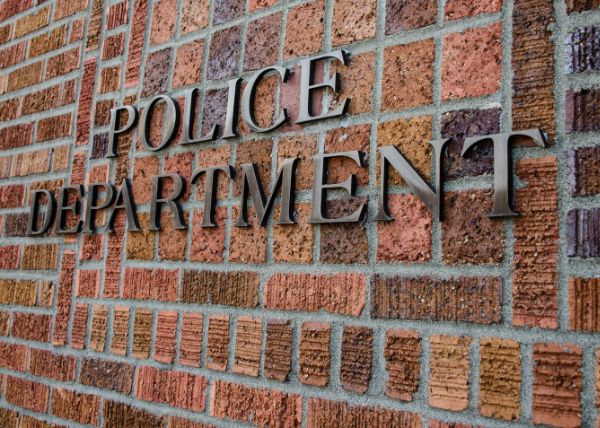
A police misconduct lawyer near me in the Inland Empire handles claims against police departments, sheriff's departments, and the officers who violate people's rights. These cases cover excessive force, false arrest, unlawful searches, and deaths caused by police. Lawsuits can be brought in state or federal court across San Bernardino and Riverside counties.
Justin Palmer Law Group brings civil rights claims against police agencies throughout Southern California, including the Inland Empire, the High Desert, and the Coachella Valley. Justin A. Palmer and the firm represent people hurt by officers and families who lost someone to police violence. Learn more about the firm's police misconduct and brutality practice.
If police violated your rights, contact Justin Palmer Law Group to talk about what happened and which deadlines apply.
Call us 24/7 at (310) 658-8935 to speak with a California police brutality lawyer, or reach out online to start your free case review.
Lawyers that sue police departments bring civil claims against officers and the cities or counties that employ them when police violate someone's rights. The work includes investigating the incident, filing government claims on time, and suing in state or federal court. The goal is compensation for the harm and a public record of what happened.
A civil lawsuit is separate from any criminal case or internal discipline. It is brought by the person harmed, or by their family, to seek money damages and other relief.
Suing a police department is different from suing a business or a driver. Government agencies have special deadlines, special defenses, and their own lawyers who defend officers full time.
That is why the first weeks after an incident matter so much. Evidence must be preserved, deadlines tracked, and the right agency identified before any claim is filed.
Police misconduct in California is conduct by an officer that violates someone's rights under the Constitution or state law. It includes excessive force, arrests without probable cause, illegal searches, fabricated evidence, and retaliation for protected speech. California law also makes it a crime for an officer to assault or beat someone without lawful necessity.
Misconduct can happen during a traffic stop, a home visit, a protest, an arrest, or time in custody. Common forms include:
Not every bad interaction is misconduct the law will remedy. The question is whether the officer crossed a line the Constitution or California law draws. Read more about what counts as excessive force by police.
Yes. You can bring claims against Inland Empire police departments, the San Bernardino County Sheriff's Department, and the Riverside County Sheriff's Office. The legal defendant is usually the city or county that runs the agency, along with the individual officers. Many smaller cities contract with the sheriff instead of running their own police force.
That contract detail matters. Victorville, Hesperia, Apple Valley, and Adelanto contract with the San Bernardino County Sheriff's Department for police services. Palm Desert, La Quinta, Rancho Mirage, and Coachella contract with the Riverside County Sheriff's Office.
Other cities run their own departments. San Bernardino, Fontana, Redlands, Rialto, Colton, Barstow, Palm Springs, Indio, and Cathedral City are among them.
Knowing which agency employed the officer decides where the government claim goes. When there is any doubt, filing with both the city and the county can protect the claim.
State officers, like the California Highway Patrol, follow a different claim process. Claims against them go through the state.
Lawsuits against police in California usually rely on a federal civil rights law and on California state laws. The federal law allows claims against officers who violate constitutional rights under color of law. California's Bane Act covers rights violations involving threats, intimidation, or coercion, and ordinary state claims cover battery, false imprisonment, and negligence.
Color of law means using power that comes from a government job, such as a badge. An on-duty officer acts under color of law.
The federal claim comes from a civil rights law passed in 1871. It protects rights like the Fourth Amendment's ban on unreasonable searches and seizures. Read more about how federal civil rights claims against police work.
The Bane Act is California's own civil rights law. It can apply when an officer uses force or threats to interfere with someone's rights. Learn more about California's Bane Act.
State-law claims matter because a key federal defense, qualified immunity, does not apply to them. California law also generally holds cities and counties responsible for harm their officers cause on the job.
Most claims against police in California start with a government claim filed within six months of the incident. That claim is required before suing a city or county under state law. Federal civil rights lawsuits generally must be filed within two years. These deadlines run at the same time, so waiting can cost options.
A government claim is a written notice to the public agency describing what happened and the harm caused. The agency generally has 45 days to respond.
If the agency rejects the claim in writing, a state-law lawsuit generally must be filed within six months of that notice. If it never responds, a longer deadline may apply.
Federal civil rights claims do not need a government claim first. Sexual assault by an officer follows its own rules, with no government claim required and a ten-year filing window.
Some older information online says the lawsuit deadline is one year. That is not the general rule today. Read more about how the six-month government claim deadline works.
Government claims against Inland Empire police go to the city or county that employs the officers. Claims against the San Bernardino County Sheriff's Department go to San Bernardino County. Claims against the Riverside County Sheriff's Office go to Riverside County. Lawsuits are then filed in state superior court or federal court in Riverside.
Several courts may hear an Inland Empire police case. The main options include:
Cities and counties often move cases with federal claims into federal court. Choosing which claims to bring shapes where the case ends up.
Liability for police misconduct can fall on the officers who acted, officers who stood by, and supervisors who approved the conduct. The employing city or county can also be liable. Private contractors, such as companies running jail medical care, may share responsibility. Each defendant is held responsible under different legal rules.
Individual officers can be sued for their own conduct. Officers who watched another officer violate someone's rights, and had a real chance to stop it, may be liable too.
Supervisors can be liable when they directed the misconduct or knowingly allowed it to continue.
Under federal law, a city or county is liable only when its own policy, custom, or failure to train caused the harm. This is called municipal liability. Read more about claims against a city for police policies and training.
Under California law, the employing agency is generally responsible for what its officers do on the job. That is one reason many cases include both federal and state claims.
A police misconduct claim can cover physical injuries, emotional harm, financial losses, and the loss of a loved one. Common injuries include broken bones, brain injuries, spinal injuries, and gunshot wounds. Claims can also seek compensation for anxiety, post-traumatic stress, lost income, and damage to reputation after a false arrest.
The harm from police misconduct often goes beyond the first injury. Losses a claim may address include:
No one can predict what a case is worth. Value depends on the violation, injury severity, video, witnesses, the officer's history, any training failure, qualified immunity, and venue. For serious fractures, see the broken bones caused by police brutality page.
Being charged with a crime after police misconduct does not automatically end a civil claim, but it can affect it. Officers often file charges like resisting arrest after using force. How the criminal case ends can shape which civil claims move forward, so the two cases need to be handled with care.
Statements made in one case can be used in the other. Avoid talking to investigators, insurers, or the media about the incident before getting legal advice.
A conviction can block some civil claims that would contradict it. A dismissal or acquittal can support claims for false arrest or malicious prosecution.
The government claim deadline keeps running even while a criminal case is pending. Many people file the claim on time and pause the civil lawsuit until the criminal case resolves.
Qualified immunity does not stop every lawsuit against police. It is a court-created defense that can shield individual officers from federal damages claims unless they violated a clearly established right. It does not protect cities or counties, and it does not apply to most California state-law claims, such as Bane Act or battery claims.
Courts ask whether earlier rulings made it clear that the officer's specific conduct was unconstitutional. The facts of the case drive that answer.
Video, medical records, and witness accounts help show what the officer actually faced. Those details decide whether the conduct matches situations courts already found unlawful.
Because qualified immunity is limited to federal claims against individuals, state-law claims often provide a separate path. Learn more in what qualified immunity means.
Right after police misconduct, get medical care, write down everything you remember, and save any video or photos. Collect names of witnesses and officers, along with badge or car numbers. Avoid posting about the incident online. Then speak with a police misconduct attorney before the six-month government claim deadline approaches.
The first days matter most for evidence. Practical steps include:
Body cam footage, the video from cameras officers wear, is controlled by the agency. A preservation letter asks the agency to keep it. Read about evidence to save in the first 48 hours.
Constitutional protections against excessive force and unlawful arrest apply to everyone in the United States, regardless of immigration status. A person does not need to be a citizen to bring a civil rights claim against police in California. Concerns about status are common and worth discussing privately before any claim is filed.
California limits how local police can assist with federal immigration enforcement. Even so, many people worry that coming forward could draw attention to their status.
Those concerns call for a careful, confidential conversation. Legal options and possible risks can be reviewed before any public filing.
Claims against federal immigration agents follow different rules than claims against local police.
Our Inland Empire police misconduct attorneys start by identifying the right agency and protecting every deadline, including the six-month government claim. The work moves through evidence preservation, records requests, and investigation. Claims are then filed in state or federal court and pursued through discovery toward settlement or trial.
The first conversation focuses on what happened, when, and which agency was involved. That answer decides where the claim goes.
Next come preservation letters for body cam footage, dispatch audio, and use-of-force reports. Records requests follow for incident reports and, where the law allows, officer discipline files.
Investigation may involve retained professionals such as use-of-force analysts, medical providers, investigators, and video analysts. Their work helps show what happened and why it violated the law.
For city-specific pages, see the San Bernardino police brutality lawyer and Riverside County civil rights lawyer pages.
Were you hurt, arrested, or searched unlawfully by police in San Bernardino or Riverside County? Justin Palmer Law Group can review what happened and explain the deadlines that apply. Contact Justin Palmer Law Group for a confidential case review.
Call us 24/7 at (310) 658-8935 to speak with a California police brutality lawyer, or reach out online to start your free case review.
Attorney Advertising | Prior results do not guarantee a similar outcome. The information on this website is for general information purposes only. Nothing on this site should be taken as legal advice for any individual case or situation. This information is not intended to create, and receipt or viewing does not constitute, an attorney-client relationship. This site is protected by reCAPTCHA and the Google Privacy Policy and Terms of Service apply.